
Ketamine Therapy at Evolve
Discover a new path to mental wellness.
Backed by science and offering new hope, ketamine therapy provides rapid relief and promotes real healing.
Find out how you can find peace, wellness and happiness now!




Fast

Brain Remodeling

Reboot

Block Negativity

Successful

Safe Protocols
How Ketamine Works
From Yale School of Medicine:
Our Ketamine Medical Director
 Dr. Michael Freedman is a Board Certified Internal Medicine Specialist with extensive training in hospital, ICU and ER medical care.
Dr. Freedman is a Certified Medical Ketamine Provider after completing the Integrative Psychiatry Institute’s 6 month CME program accredited through the University of Colorado School of Medicine. He is also an active member of the American Society of Ketamine Providers.
Is Ketamine Right for You?
Expert advice from the American Society of Ketamine Providers:
Who Can Benefit from Ketamine
- Ketamine is recommended for people suffering from major depression, suicidal thoughts, anxiety, PTSD, and chronic pain.
- It is indicated for people who have tried other medications and not done well.
- Ketamine may also be a good fit for individuals who are on a healing journey and feel “stuck” in therapy.
How Soon Will I See Results?
Instead of waiting for an SSRI to hopefully provide some relief over the course of weeks, people who are suffering under the crushing weight of depression can start to feel the benefits of ketamine within about 40 minutes. –Harvard Health
Is Ketamine Effective?
- After 15 infusions, 85% of patients with suicidal ideations moved to full resolution.
- Results show a 50% response rate and 20% remission rate for depressive symptoms.
For people who have failed other treatments, options are limited.
In a major study sponsored by Cleveland Clinic, ketamine twice per week was found to be more effective than even ECT (electroshock therapy) given three times per week.
In fact, after 3 weeks, 55% in the ketamine group reported at least 50% reduction in symptoms while only 41% in the ECT group reported the same. Dr. Roger S. McIntyre, a professor of psychiatry and pharmacology at the University of Toronto called the study “groundbreaking.”
What are Ketamine's Side Effects?
According to a 2021 review, the most common side effects include:
- Nausea (can be pre-treated with anti-nausea meds)
- Dizziness or vertigo
- Headaches
- Vertigo, or the feeling of spinning and losing your balance when you’re not moving
- Drowsiness
- Altered sense of taste
- Ringing in the ears
In rare cases, ketamine can more severe problems such as:
- Panic attacks
- Mania
- Problems with coordination
- Difficulty sitting still
Occasionally people experience a worsening in their depressive symptoms and suicidality which persists for up to two weeks after taking ketamine.
For those who continue with further treatments, those symptoms usually improve after 1-2 more infusions. 3
Is Ketamine Safe?
At Evolve, we monitor your heart rate and oxygen levels continuously via a small ring on your finger.
You will also be visually monitored continuously via closed-circuit TV monitor.
Finally, you will have access to a call button should you need any assistance.
Ketamine Treatment
- Patient Considerations
- Clinical Approaches to Treatment
- Preparing for Treatment
- Routes of Administration
- Tips for Loved Ones
What to Look for in a Clinic
Are There Long Term Safety Concerns?
Addiction:
Research shows that ketamine addiction after use in a treatment center for depression is exceedingly rare. It has a potential for abuse, but the abuse potential is relatively low in most people seeking treatment for depression and receiving ketamine in a controlled manner.
Bladder Problems:
Ketamine bladder disorder is a painful condition that causes urinary frequency and urgency and pelvic pain or pressure. This condition generally occurs only with very high drug usage, much higher than most patients are getting in the clinic. Once again, this is an exceedingly low risk in controlled conditions.
Who is most likely to benefit from Ketamine?
An increasingly large number of studies show that ketamine can work as a fast-acting antidepressant. Many patients feel better in hours or days.
Ketamine significantly and rapidly reduced depression symptoms in about 50 to 70% percent of patients.
On the other hand, traditional antidepressants can take 4 to 6 weeks. And for some, they don’t work at all.
Why is this so important?
-
Untreated depression causes long-term brain damage — and is a risk factor for dementia.
-
People with depression have up to 20% shrinkage of the brain region critical for memory and learning.
-
Connections between brain cells diminish under chronic stress. Ketamine reverses these stress-related changes.

How much does ketamine therapy cost?
On average, a single ketamine infusion costs about $450-$500.
Treatment typically involves 6 infusions over 2-3 weeks. Adding an in-depth, pretreatment consultation and post-treatment follow-up, total cost can run up to $4,500.
Evolve’s treatment cost is substantially less but ONLY available to our members.
Learn more about each of these important steps.
Integrative Psychiatry Institute
IPI is the most comprehensive education solution for mental health providers.
IPI’s goal is to help providers to resolve their patient’s underlying causes of mental illness, so patients can go beyond symptom reduction and attain a state of wellness.
American Society of Ketamine Providers
The American Society of Ketamine Physicians, Psychotherapists, and Practitioners is a non-profit group of professionals dedicated to the safe clinical use of ketamine for mental health disorders and pain conditions.
An interdisciplinary community of collaborative practitioners led by experts providing education and ethical standards for patient care with ketamine and emerging treatments.

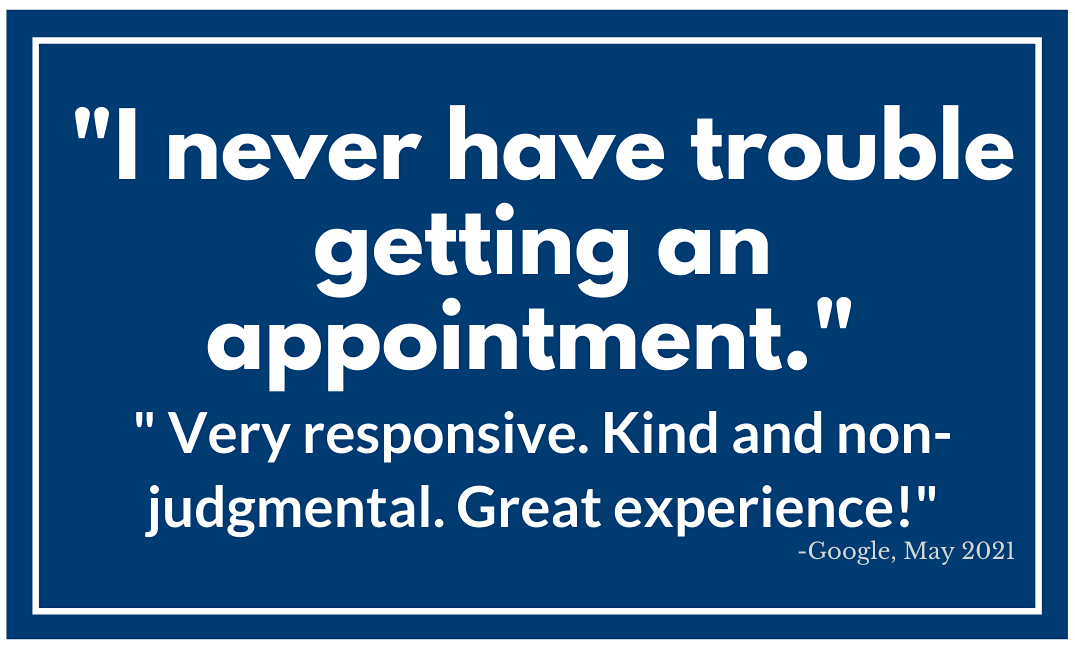

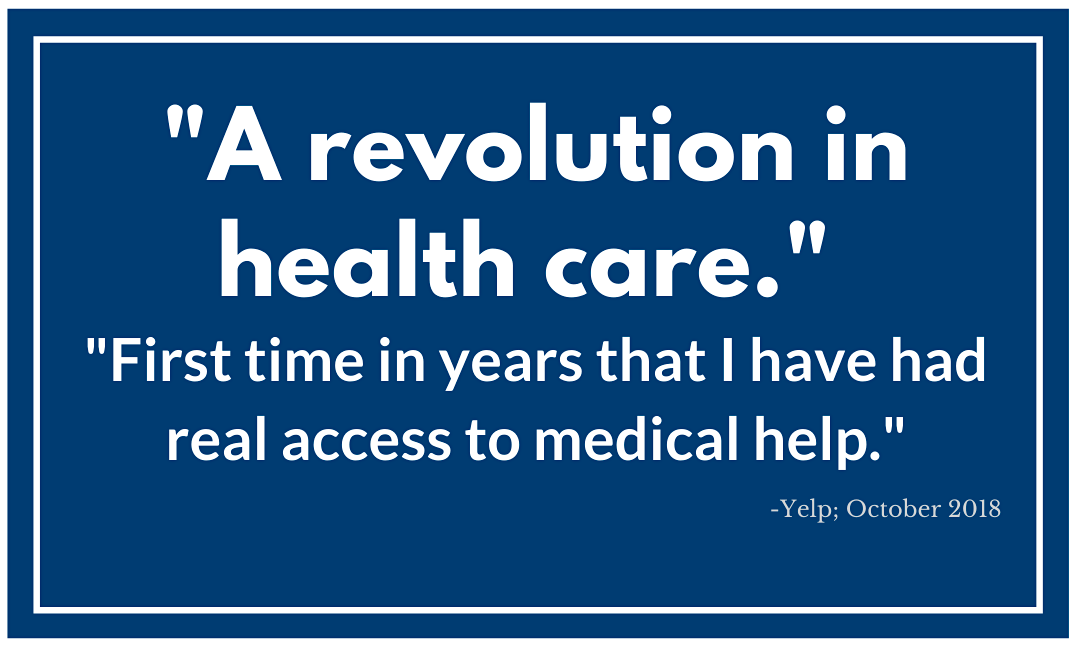

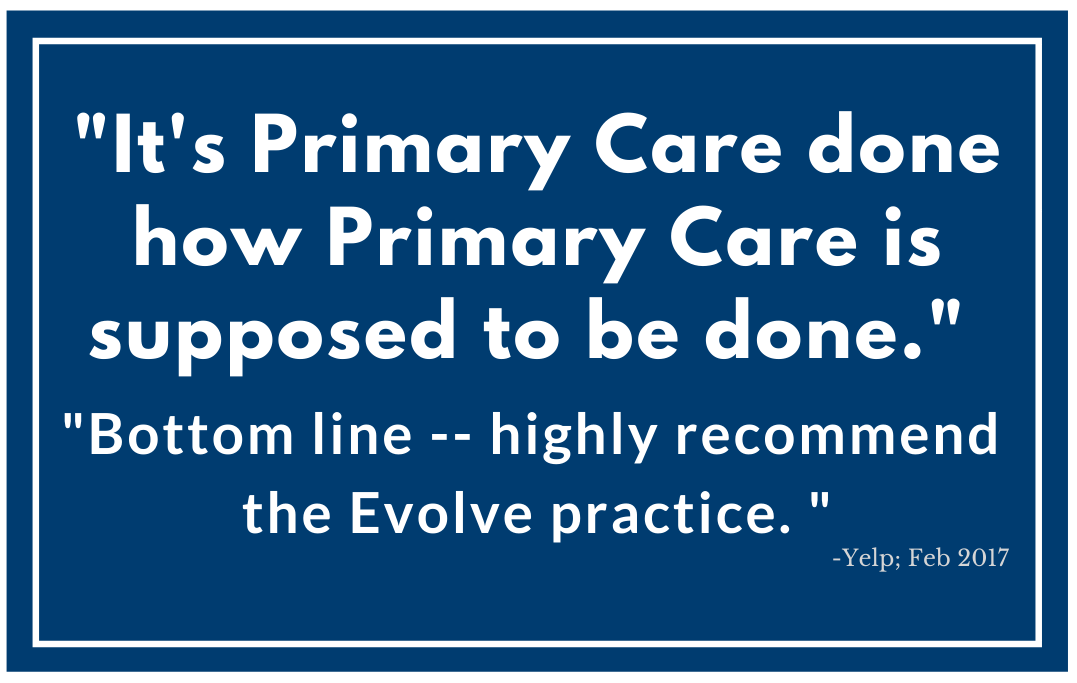


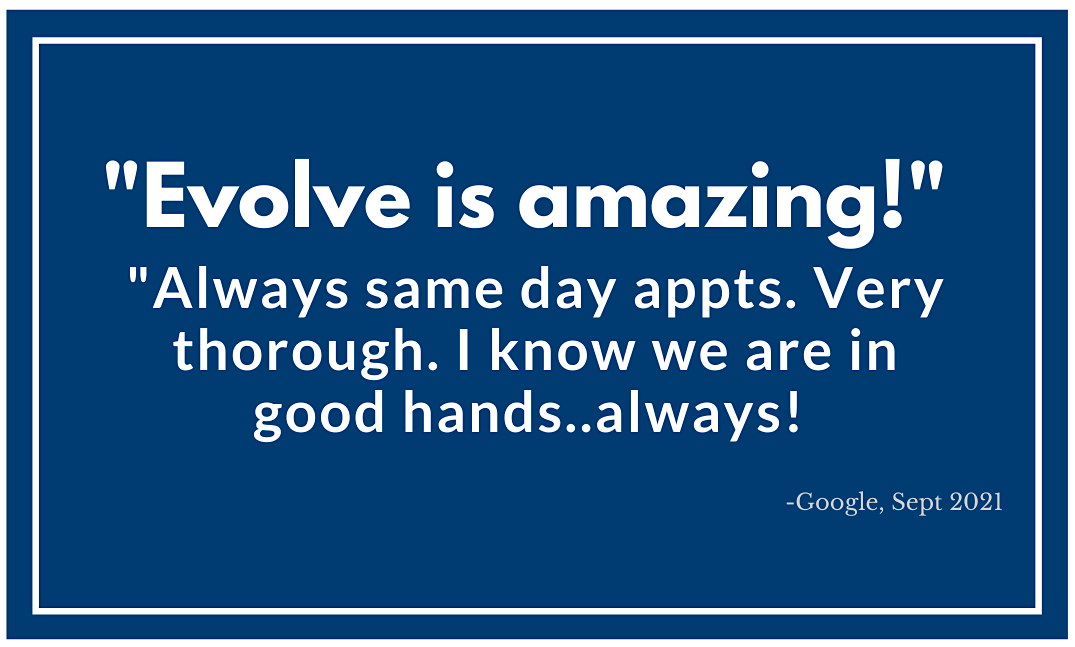
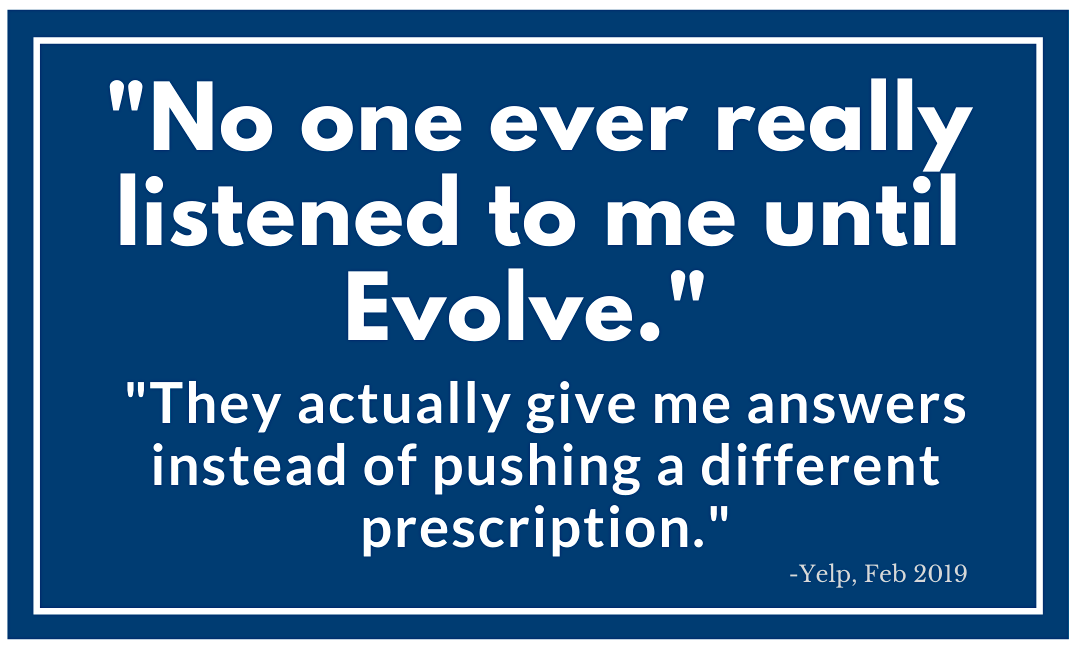


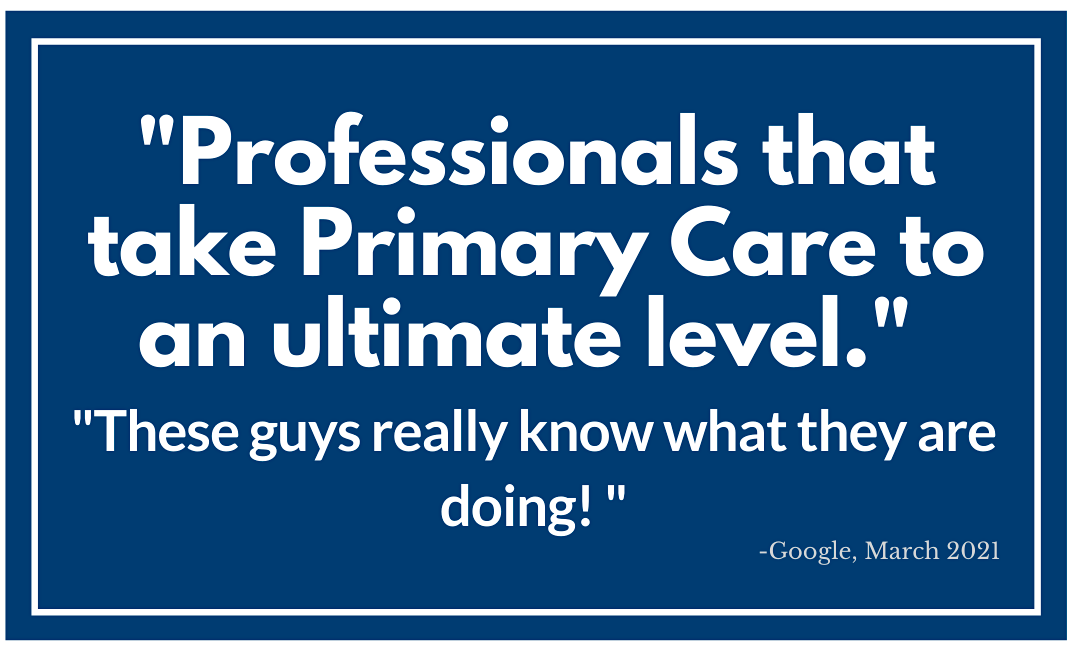
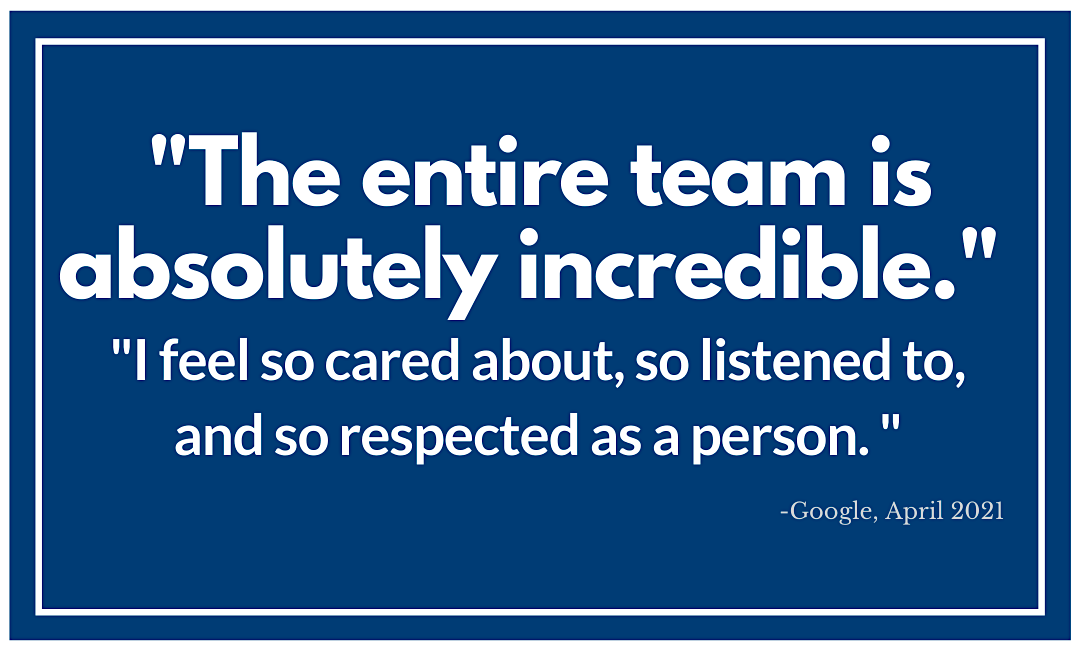

Testimonials
Hear what people are saying



Ready to Join Evolve? Or have questions?
Or Send Us Text
See bottom right “Get in Touch” Monday – Friday: 8am – 7pm Saturdays: 9am-2pm
